Do Sharks Really Die If They Stop Swimming?

– Shivaan Darda

It’s one of the most dramatic ocean myths out there: if a shark stops swimming, it dies. But is it true? The short answer—sometimes. The truth is far more fascinating and reveals just how diverse and adaptable sharks really are.
1. The Science of Shark Breathing
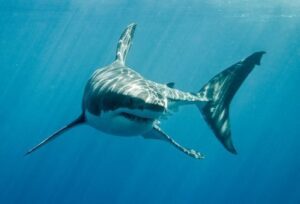
Like all fish, sharks need oxygen from water to survive. Water passes over their gills, where it is absorbed and carbon dioxide is released. Some sharks—like the great white, mako, and hammerhead—rely on ram ventilation, which means they must keep swimming forward so water continually flows through their mouths and over their gills. If they stop moving for too long, they risk suffocation.
Others, such as nurse sharks and lemon sharks, can breathe while resting. They use a technique called buccal pumping, where they actively draw water over their gills using cheek muscles. This allows them to lie motionless on the seafloor, conserving energy between hunts.
2. Sleeping Sharks? Yes, They Exist
Sharks don’t sleep like humans do, but they do rest. Species that use buccal pumping can remain still, while those that rely on ram ventilation find clever solutions—some swim slowly in currents that push water through their gills, allowing them to rest without sinking or suffocating.
3. Myth Meets Reality
The “always-swimming” myth likely began because many of the most famous sharks—like great whites—never seem to stop moving. But out of the 500-plus shark species known today, only a portion need constant motion. Even within the same family, breathing methods can vary widely.
Sharks have been around for over 400 million years, surviving multiple mass extinctions. Their adaptability—whether in breathing, hunting, or sensing prey—has kept them at the top of the marine food chain.
