How Long Does Plastic Last—and Why?

– Shivaan Darda
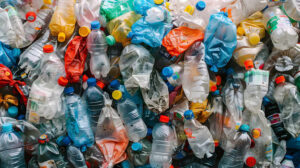
Shoes, clothing, packaging, gadgets and more—plastic is everywhere. Yet it’s one of the slowest materials on the planet to break down. Depending on the type, plastics can take 20 to 500 years to degrade, and in some cases, even longer. The reason lies in chemistry; let’s explore this further.
Different types of plastics degrade at vastly different rates. Plastic bags take around 10–20 years to break down into smaller pieces, though they do not fully biodegrade. Straws take approximately 200 years, while PET bottles (used for water and soft drinks) take nearly 450 years. Fishing lines and Styrofoam cups can take 500 to 600 years to degrade because they are designed for extreme durability.
Why does it take so long? First, plastics resist natural decomposition because they lack the molecular structures that fungi and bacteria have evolved to break down. Second, many plastics are fortified with additives—stabilisers, colourants, flame retardants—that increase their resilience. Third, environmental conditions matter: sunlight can trigger photodegradation, but in landfills, where sunlight and oxygen are limited, degradation slows dramatically.

A 2020 study estimated that over 8.3 billion tonnes of plastic have been produced since the 1950s, and about 79% of it has accumulated in landfills or natural ecosystems. In the ocean, plastic waste fragments into microplastics, which are now found from the surface to the deepest trenches. Researchers estimate that about 11 million tonnes of plastic enter the oceans every year, a number expected to triple by 2040 unless action is taken.
Understanding how long plastic lasts—and why—highlights the urgent need for better recycling, biodegradable alternatives, and smarter consumption. While plastics offer convenience, their lifespan far outlives ours, making mindful choices more important than ever.
