When the Wild Feels: Emotional Intelligence in the Animal Kingdom

– Shivaan Darda
From high IQ, the world has now moved to the importance of emotional quotient or EQ. While humans are working towards enhancing this, our wildlife may be at par with or ahead of us. From cooperation and empathy to conflict resolution and social bonding, many animals display behaviours that mirror aspects of emotional intelligence in ways both fascinating and instructive.
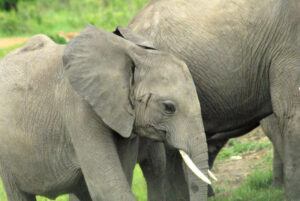
Take elephants, for instance. They are known to comfort distressed herd members by touching them gently with their trunks, and they often pause when passing the bones of deceased relatives, suggesting an awareness of loss. Similarly, dolphins form lifelong friendships, cooperate for food, and even take turns supporting sick pod members near the water’s surface so they can breathe. These actions indicate empathy, social responsibility, and attunement to the needs of others.
Primates, too, offer striking examples. Chimpanzees mediate disputes through gestures of reconciliation, such as grooming or embracing, demonstrating conflict-resolution strategies that reduce tension in their groups. Bonobos use play, cooperative feeding, and shared caretaking to maintain group harmony, reflecting emotional attunement and a strong social compass.

Key insights emerge when we observe these behaviours:
●Empathy exists across species. Many animals respond to the emotional states of others.
●Social intelligence is a survival tool. Cooperation often determines access to food, safety, and mating opportunities.
●Emotional communication is diverse. Animals use touch, sound, posture, and play to express feelings and negotiate relationships.
Exploring emotional intelligence in wildlife expands our understanding of animals and reflects on our own worlds. It reminds us that connection is not a luxury of advanced cognition, but a fundamental thread woven through life on earth.
